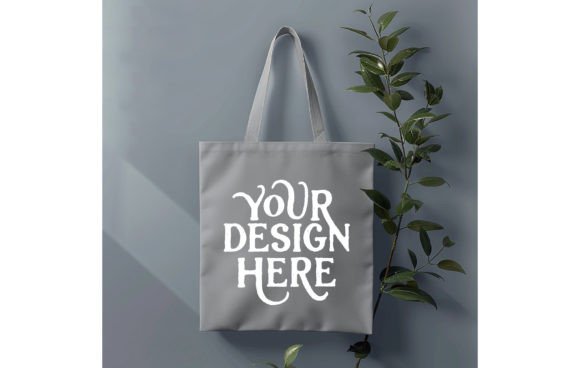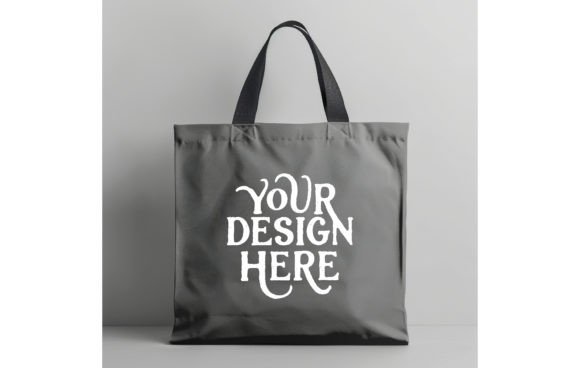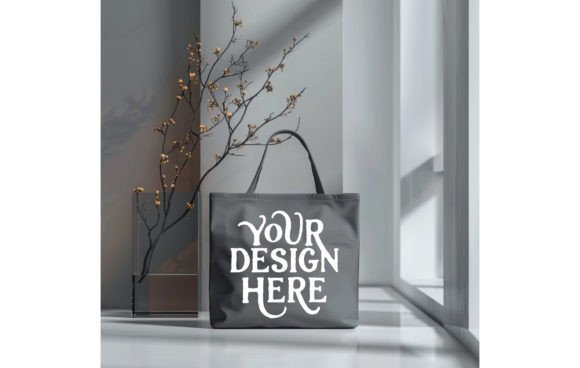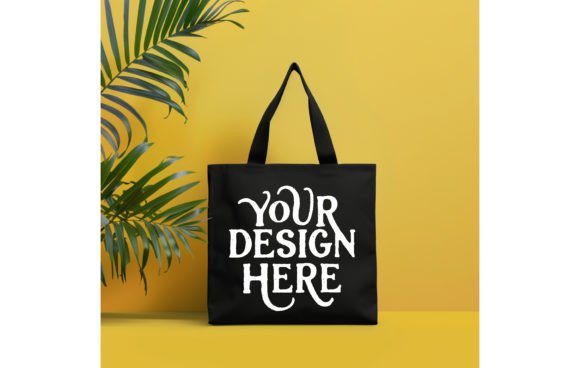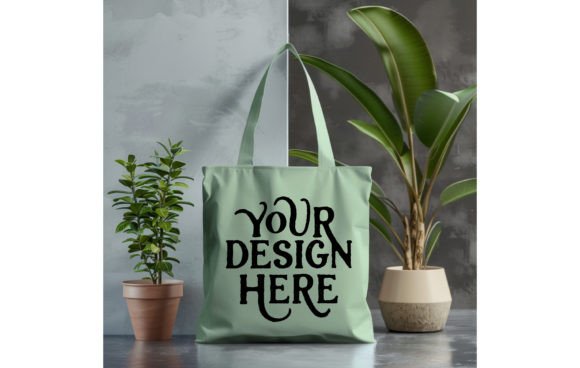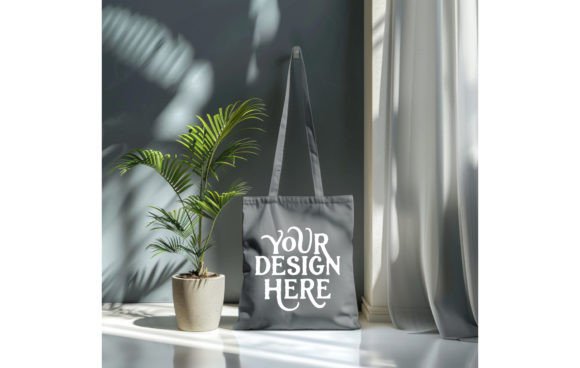
Tote Bag, Grey Color Mockup 11: A Designer's Tool for Realistic Previews
In the world of product design and branding, presentation is everything. Before a single tote bag is printed, you need to see how your design lives on the fabric, how the colors interact with the environment, and how the final product will look in a customer's hands. This is where a high-quality mockup becomes an indispensable part of your creative toolkit. The Tote Bag, Grey Color Mockup 11 is more than just a placeholder image; it's a professional-grade asset designed to bridge the gap between your digital artwork and a tangible, market-ready product.
Understanding the Asset: What You Get and Why It Matters
This is an INSTANT DOWNLOAD digital product. No physical item will be shipped to you. Upon purchase, you receive a single, high-resolution JPEG file. The specifications are straightforward and built for serious work: a 300 DPI resolution ensures crisp detail for both digital displays and print proofs, while the 1500x1500px square format is versatile for social media, website galleries, and e-commerce listings. The "Grey Color" aspect is crucial—a neutral, mid-tone grey tote bag acts as a perfect canvas. It doesn't compete with your design, allowing your artwork, logo, or illustration to take center stage. This particular mockup is styled with a realistic, slightly textured fabric appearance and natural lighting, giving it an authentic, lived-in personality that feels genuine rather than sterile.
Practical Applications for Creatives and Business Owners
The true value of this mockup lies in its application across numerous projects. For graphic designers and illustrators, it's an essential presentation tool. When pitching a custom tote bag design to a client, showing it on a realistic mockup like Tote Bag, Grey Color Mockup 11 communicates professionalism and helps the client visualize the end result, increasing approval rates. For entrepreneurs and small business owners launching a merch line or branded merchandise, this asset allows you to create compelling product images for your online store, crowdfunding campaign, or social media ads long before the first batch of bags is manufactured. You can test different design concepts quickly and cost-effectively.
For marketers and content creators, the mockup serves as a ready-made visual for blog posts, email newsletters, and promotional graphics. Imagine writing an article about sustainable fashion or DIY projects; a styled tote bag image instantly elevates the content. Crafters and hobbyists selling on platforms like Etsy can use it to create professional-looking listings that stand out in a crowded marketplace, showcasing their sublimation designs, cut file creations, or watercolor art on a believable product.
Integrating the Mockup into Your Workflow
Using this asset effectively requires a simple, focused approach. The primary function is as a background layer in your design software. You would place your artwork—whether it's a logo design, a complex illustration design, or a delicate watercolor design—onto a new layer above the mockup image. Using clipping masks or perspective warp tools, you then adapt your design to follow the contours and folds of the tote bag. This process is fundamental for creating a believable product mockup.
When evaluating if this specific mockup fits your project, consider the context. The grey color and casual style are ideal for brands with a modern, minimalist, urban, or artisanal aesthetic. It might be less suited for ultra-luxury brands seeking a pristine, studio-shot look, but it's perfect for conveying approachability and everyday usability. Always test your design on the mockup at full resolution. Check how your colors render against the grey fabric—certain hues might need slight adjustment to pop. Ensure your design's fine lines or small text remain legible when placed on the textured surface.
Think of this mockup not as a final product image, but as a design asset that saves you time and money. It eliminates the need for expensive photoshoots during the concept phase. It helps you build a cohesive brand identity by visualizing how your graphics will function across different mediums. By presenting your work on a consistent, professional mockup, you enhance perceived value and build trust with your audience or clients. It’s a practical, no-nonsense tool that supports the real work of design and business development.